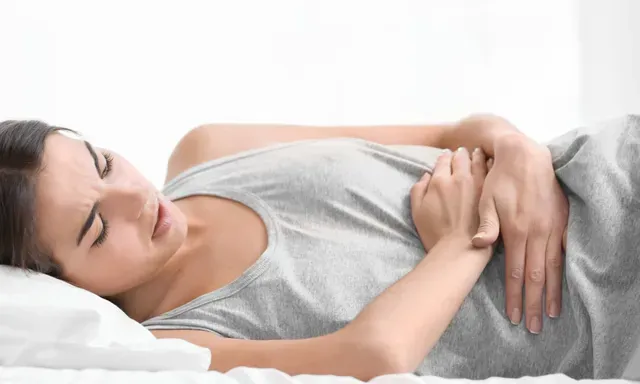
What is endometriosis?
Endometriosis is an often uncomfortable gynecological condition in which uterine tissues grow outside of your uterus. It may affect your fallopian tubes, ovaries, and the tissues lining your pelvis. If you have endometriosis, tissues within your body, normally secreted during menstruation, get trapped, causing cysts, tissue irritation, fibrous tissue bands, pain, or scarring.
What are the symptoms of endometriosis?
The hallmark symptoms of endometriosis include:
The severity of endometriosis symptoms varies from person to person. You might have severe pain or little to no discomfort.
About one-third to one-half of women struggling with endometriosis experience infertility, or difficulty getting pregnant despite trying to.
Ovarian cancer also occurs at higher rates among women with endometriosis.
What are the risk factors of endometriosis?
The common causes and risk factors for developing endometriosis include:
You can’t necessarily prevent endometriosis if you’re prone to it, but adopting healthy habits may reduce your risk.
How does my provider diagnose endometriosis?
Dr. Maximos can diagnose endometriosis after reviewing your symptoms, discussing your medical history, and completing a pelvic exam. He may complete a pelvic ultrasound or an MRI to create images of the inside of your body or use laparoscopy with a thin lighted tube and camera to make a final diagnosis and establish an effective treatment.
How is endometriosis treated?
The right treatment for you depends on the severity of your condition, treatment preferences, and whether or not you’d like to have children in the future. Dr. Maximos tailors each endometriosis treatment to your personalized needs.
To find out if you have endometriosis and get treated for it, call the Maximos OB/GYN office or schedule an appointment online today.